All Categories
Featured
Navigating Strategic Tech Trends for 2026
Table of Contents
A hybrid cloud is simply what it sounds like: a mix of public cloud, private cloud and on-premises environments. Particularly (and preferably), a hybrid cloud links a mix of these 3 environments into a single, flexible infrastructure for running the organization's applications and work. At initially, companies turned to hybrid cloud computing models mostly to migrate parts of their on-premises data into private cloud facilities and after that connect that facilities to public cloud infrastructure hosted off-premises by cloud suppliers.

Today, hybrid cloud architecture has actually broadened beyond physical connection and cloud migration to offer a flexible, safe and secure and affordable environment that supports the portability and automated implementation of workloads throughout numerous environments. This feature enables a company to fulfill its technical and organization goals more efficiently and cost-efficiently than with a public or private cloud alone.
This frees companies from purchasing and expanding the on-premises physical hardware required to run application screening, using faster time to market. When a team has actually developed an application in the general public cloud, they can move it to a personal cloud environment based upon service requirements or security elements. A public cloud also allows business to rapidly scale resources in action to unexpected spikes in traffic without affecting personal cloud work, a function referred to as cloud bursting.
The majority of enterprise companies today depend on a hybrid cloud design since it provides higher versatility, scalability and expense optimization than standard on-premises infrastructure setups. According to the IBM Transformation Index: State of Cloud, more than 77% of companies and IT specialists have actually embraced a hybrid cloud technique.
Published on: September 4, 2024In today's busy digital landscape, companies need to constantly innovate and adjust to remain competitive. One of the most transformative innovations available to companies is cloud computing. By leveraging business cloud services, companies can enhance effectiveness, reduce costs and drive growth. Listed below, we explore in depth how cloud computing can be a game-changer for services, covering its advantages, execution methods and future trends.
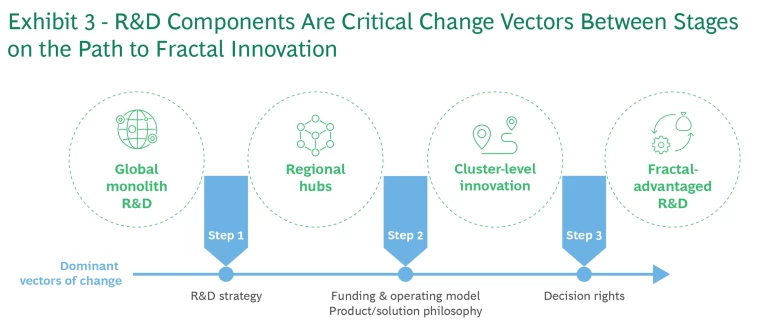
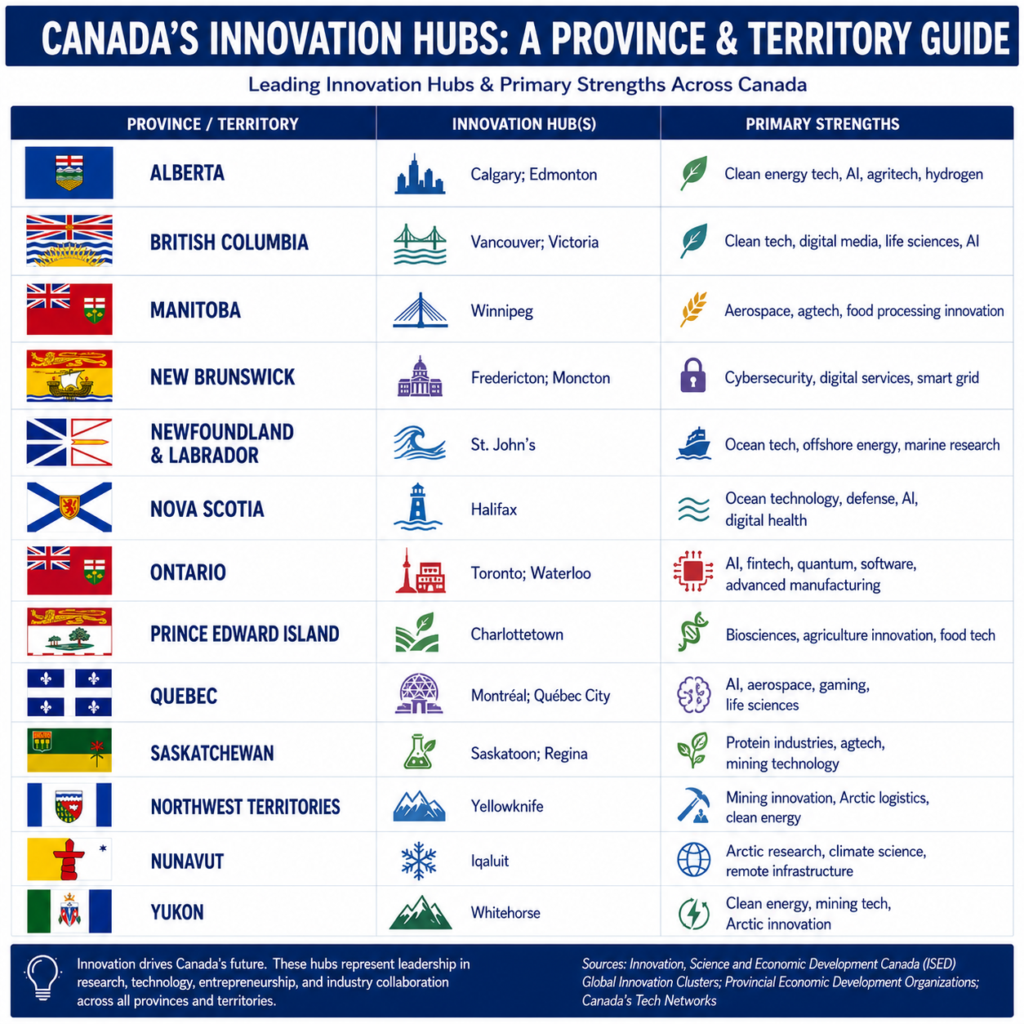
Ways to Architect High-Performance Tech HubsStrategic Insights On Running Modern Hubs
The core essentials of this organization solution are a great beginning point for expedition. From there, the skyor, more appropriately, the cloudappears to be the limit. Cloud computing refers to the shipment of computing services over the web, including storage, processing power and applications. Instead of depending on local servers or personal devices to manage these services, cloud computing permits services to access and shop data on remote servers handled by cloud company.
The foundation of cloud computing remain the exact same, even as innovation changes. Key components of cloud facilities consist of: Virtual devices and containers that offer processing power Information storage services, such as databases and file storage Connectivity in between cloud resources and users, including virtual networks and load balancers Platforms and services for monitoring, handling and automating cloud operations Procedures and protocols to secure information and applications within the cloud environment From cloud partnership tools as an efficiency strategy for labor forces to cloud computing expense savings, there are a variety of methods cloud computing can reinforce company technique and outlook.
Services can quickly scale their IT resources up or down based upon need. This flexibility is especially helpful for handling varying workloads, seasonal traffic and company development. Cloud companies provide different prices models, such as pay-as-you-go, permitting companies to pay only for the resources they use and thus more optimizing expense efficiency.
Rather of purchasing costly servers and information centers, business can take advantage of cloud services and shift to a functional expense design. In addition, expense decrease in cloud computing stems from the requirement for internal IT upkeep and assistance, as the cloud provider manages these tasks. Cloud computing expense savings can be substantial, and this allows businesses to allocate resources more efficiently.
Cloud-based applications as a remote work innovation enable employees to access their work on any gadget with an internet connection, enhancing mobility and performance. With a cloud-enabled remote workforce, cloud partnership tools are an increasingly vital aspect in performance and team engagement.
Proven Methods for Building Modern R&D HubsPrivate and Scalable Innovation Architectures
Cloud computing enables companies to harness the power of huge information and analytics. By gathering and analyzing large volumes of data, companies can gain important insights into customer behavior, market trends and functional performance. Cloud-based analytics platforms offer sophisticated tools for data visualization, predictive analytics and maker learning, empowering organizations to increase performance in lots of organizational locations through informed, data-driven decision-making that drives growth and development.

Latest Posts

Unlocking Strategic Value Through Corporate Innovation Units

Future-Proofing Enterprise Innovation Strategies

Agile and Distributed Cloud Strategies